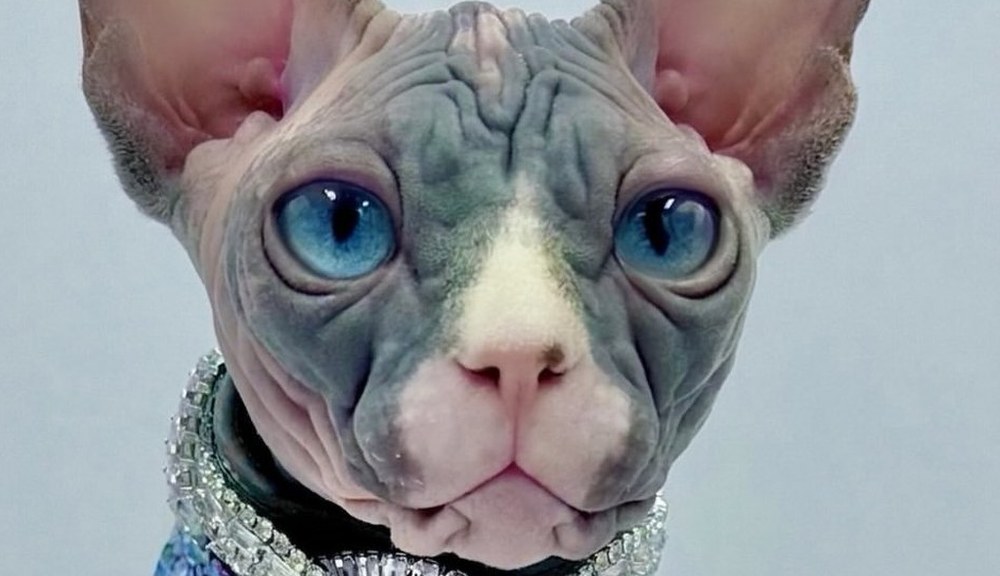
Sphynx vs Donskoy vs Peterbald: How to Tell Hairless Breeds Apart
Three breeds, all hairless, all constantly mistaken for each other. We keep two of them, so this is the comparison we end up making in person most weeks.
The genetics, which is the real difference
The Sphynx is hairless because of a recessive variant — a kitten needs a copy from both parents. The Donskoy is hairless because of a dominant mutation, so one copy does it. The Peterbald descends from Donskoy crossed to Oriental Shorthair, so it carries the Donskoy-type dominant gene in a slender Oriental body.
That single distinction drives everything else: how the breeds are bred, what a litter can produce, and why Sphynx and Donskoy lines should never be mixed. Two dominant-gene cats bred together is also a combination careful Donskoy breeders avoid.
What the skin and coat look like
- Sphynx. Rarely truly bare. Most are covered in a fine down like the skin of a peach, with fuzz that lingers on the face, ears, feet and tail. The coat state stays fairly stable through life.
- Donskoy. Comes in distinct types — completely bald “rubber bald” cats, “flock” cats with a light suede-like covering, “velour” cats born with a coat that thins as they grow, and “brush” cats that keep a wiry, patchy coat. Some Donskoys change dramatically with the seasons.
- Peterbald. The same range of coat types as the Donskoy, but on a fine-boned, long-limbed Oriental frame with a wedge head and big ears.
Body and face at a glance
A Sphynx is a surprisingly solid, barrel-chested cat with a broad wedge head, enormous ears and a pot belly it is not embarrassed about. A Donskoy is more moderate, with a distinctive almond eye, webbed toes and wrinkles that are part of the breed rather than a fault. A Peterbald is the elegant one — long, lean, and unmistakably Oriental in outline.
Temperament
All three are people-focused, talkative and physically affectionate, which is why owners of one breed feel at home with another. The differences are of degree rather than kind: Sphynx cats are the clowns, boisterous and shameless; Donskoys tend to be a touch gentler and more velcro-like; Peterbalds carry the Oriental streak, which means very vocal and very busy.
Across our own house, individual personality outweighs breed every time. Duke will explain his philosophy to a visitor for an hour. Diamond will simply stare until food appears. Both are the same breed.
Care, which is nearly identical
Hairless is hairless. All three need warmth, regular bathing, ear cleaning, sun sense and more food than their size suggests. If you can care for one, you can care for any of them — so choose on the cat and the breeder, not the label.
How to choose between them
Decide what you want to live with. A busy, comic, sturdy cat that treats your chest as a bed: Sphynx. A softer, quieter, wrinkled velcro cat, possibly one whose coat changes with the seasons: Donskoy. A vocal, athletic, elegant cat that never stops: Peterbald. Then find a breeder who health tests, and let the individual kitten decide the rest.
What all three breeds need from you
Whichever of the three you choose, the care kit is largely the same — bathing, warmth and sun sense — because the shared trait is the missing coat, not the pedigree.
Gentle shampoo for hairless skin
Bathing replaces brushing in all three breeds, though a brush-coated Donskoy needs it less often.
Adjustable-temperature heating pad
Bald cats seek heat all year. Adjustable temperature and a chew-resistant cord are the safety features that matter.
These are Amazon affiliate links. If you buy through one it can earn us a small commission at no extra cost to you. We only list things we own or would buy again — the full list is on Our Favourite Things, and how we handle commercial relationships is set out in our affiliate and editorial disclosure.
Meet the cats behind the advice
Everything here comes out of running a household of Sphynx and Donskoy cats — meet the queens, studs and kittens, or send us an enquiry if you have a question we have not answered.
Frequently asked questions
- How do I tell a Sphynx from a Donskoy?
- Feel and face. A Sphynx has a suede-like down and full whisker pads; a Donskoy often has a more angular head, deeper facial wrinkles, webbed feet and sometimes missing whiskers.
- Is a Peterbald the same as a Sphynx?
- No. The Peterbald came from Donskoy crossed with Oriental Shorthair, so it carries the dominant hairless gene in a slim, long-lined body with a wedge head and large ears.
- Which hairless breed is friendliest?
- All three are people-oriented. Sphynx cats are typically the most clownish and demanding, Donskoys quieter and more velcro-like, Peterbalds the most vocal and athletic.
- Can Sphynx and Donskoy be bred together?
- Registries discourage it. The two hairless genes are unrelated, and combining a dominant and a recessive mutation makes coat and skin quality unpredictable.