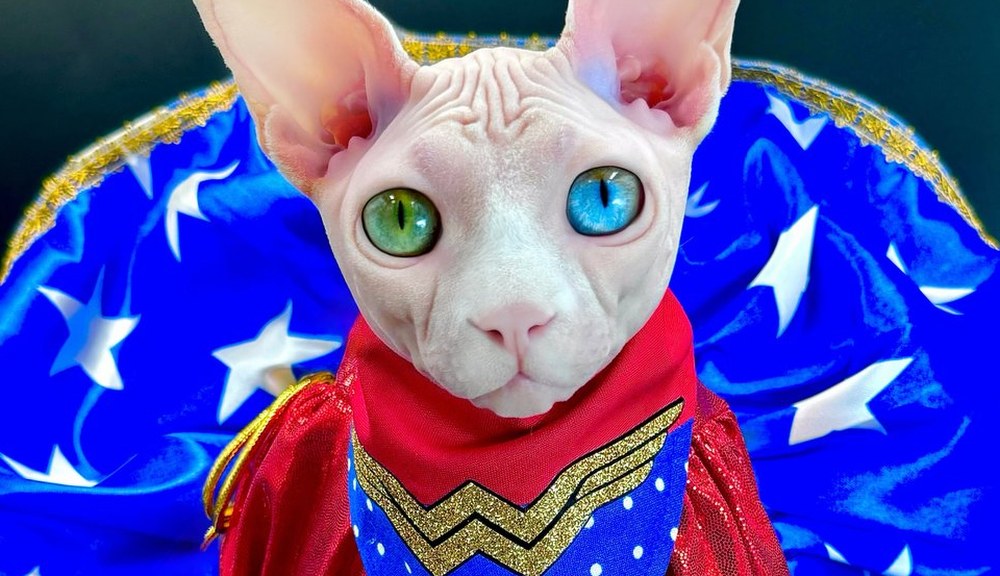
Sphynx Kittens Week by Week: From Newborn to Going-Home Day
A Sphynx kitten changes almost weekly, and the twelve weeks between being born and going home are the busiest of its life. Here is what those weeks look like from inside the house, and what a breeder should be doing at each stage.
Weeks 1–2: warmth and weight
Newborn hairless kittens cannot regulate their own temperature and have no coat to help, so warmth is the whole job — a heat source the litter can move towards or away from, no draughts, and a queen who is happy enough to stay settled. We weigh daily. Steady weight gain is the single most reliable sign that everything is fine, and the earliest warning when it is not.
Eyes open around a week to ten days, unfocused at first. Ears begin to lift. Nothing is expected of them but sleeping, feeding and growing.
Weeks 3–4: the first opinions
They stand, wobble, and start attempting to walk with the coordination of a drunk. The litter tray gets introduced and mostly understood. First tastes of solid food appear, largely worn rather than eaten. Voices arrive, and hairless kittens are not quiet.
This is when handling matters most. Every kitten here is picked up, turned over, talked to and passed between people every single day, because a cat’s tolerance for being handled is largely set in these weeks. It is also why our cats sit for a camera later without complaint.
Weeks 5–6: full chaos
Running, climbing, wrestling and ambushing each other. Weaning progresses properly and the queen starts taking longer breaks — which she has earned. Claws get their first trim, ears their first clean, and the kittens learn that being groomed is normal rather than an outrage.
We start introducing household noise on purpose: vacuum, hairdryer, doorbell, visitors. A kitten that meets all of that inside a calm house grows into a cat that is not afraid of it.
Weeks 7–9: becoming cats
Personalities separate out and stop being reversible. The bold one is now clearly the bold one. First vaccinations and a full veterinary check happen in this window, along with worming, microchipping and a proper weigh-in against the growth curve.
First baths, too. Done gently and early, a bath becomes a routine event rather than a fight — which matters, because this cat will be bathed for the rest of its life.
Weeks 10–12: ready to go
Eating independently, using the tray reliably, socialised with people and other cats, second vaccination done, and confident enough to walk into a new house and start reorganising it. We do not release kittens earlier than this. The last few weeks with their litter and their mother are where the manners come from, and there is no shortcut.
They leave with their paperwork, their vaccination record, their diet, and a phone number they can use forever. We like updates. Most of our kittens’ families still send them years later.
What to ask a breeder about this period
Ask how often kittens are handled, where they are raised, what the kittens have been exposed to, when vaccinations happen, and at what age they go home. Ask to meet the mother. The answers tell you more about the cat you are about to live with than any photograph will.
What we keep in the kittening cupboard
Most litters need none of this. The reason it sits in a cupboard is that when a queen is short of milk or a kitten falls behind, you need it that hour, not tomorrow.
Mother and babycat food for the queen
A nursing queen eats extraordinarily; this is what ours are fed through lactation and weaning.
Approved by Daisy
Ready-to-feed kitten milk replacer
Ready-mixed rather than powder, because supplementing a fading kitten at 3am is not the moment for measuring.
Approved by Diva
Weaning mousse
The texture that gets kittens eating on their own without a mess in the nest box.
Approved by Dynamite
These are Amazon affiliate links. If you buy through one it can earn us a small commission at no extra cost to you. We only list things we own or would buy again — the full list is on Our Favourite Things, and how we handle commercial relationships is set out in our affiliate and editorial disclosure.
Meet the cats behind the advice
Everything here comes out of running a household of Sphynx and Donskoy cats — meet the queens, studs and kittens, or send us an enquiry if you have a question we have not answered.
Frequently asked questions
- When do Sphynx kittens open their eyes?
- Usually between five and seven days, sooner than many coated breeds. Odd-eyed kittens often show their final eye colours by eight to ten weeks.
- When can Sphynx kittens leave for their new homes?
- Twelve to sixteen weeks, after their vaccination course and a vet check. Anyone offering an eight-week-old hairless kitten is cutting corners.
- How much do Sphynx kittens weigh week by week?
- Roughly 90–110g at birth, doubling in the first week or so, then gaining about 70–100g a week. Steady daily gain matters far more than any single number.
- What should a breeder be doing during those weeks?
- Weighing daily, keeping the nest warm, worming on schedule, socialising with handling, noise and other people, starting litter training, and vaccinating before rehoming.