The Complete Sphynx Grooming Routine: Ears, Nails, Eyes and Skin Folds
People adopt a hairless cat assuming grooming is now somebody else’s problem. In fact a Sphynx needs more routine maintenance than a coated cat, just a different kind. None of it is difficult, and all of it is easier if the cat grew up with it.
The weekly rhythm we actually keep
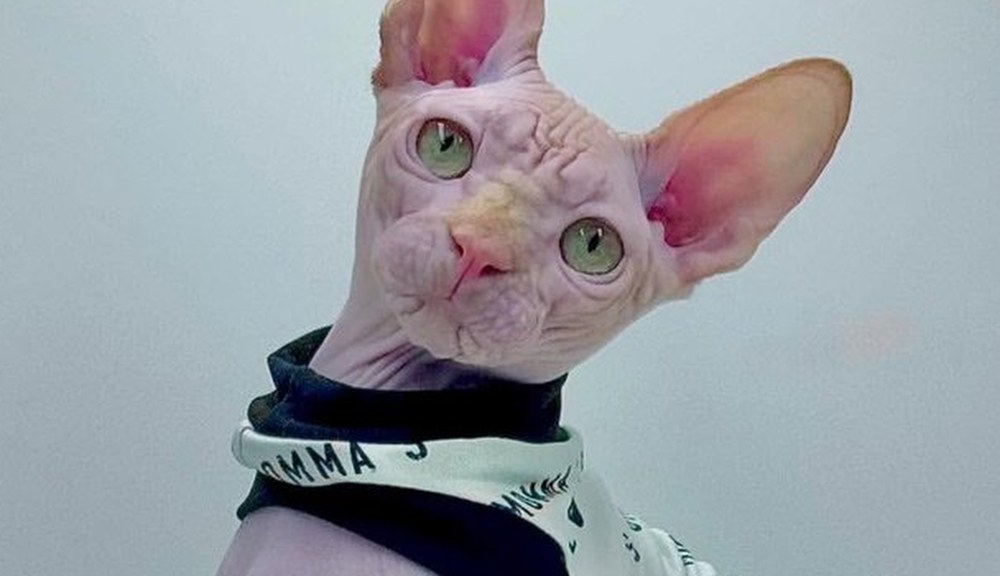
- Ears — weekly, sometimes twice. The big open ears of a hairless cat collect wax fast because there is no fur to slow it down. Wipe the visible part with a soft pad and a vet-approved cleaner. Never push anything into the canal.
- Nails and nail beds — weekly. Trim the tips, then wipe the nail beds. A dark, waxy build-up around the claw base is normal for the breed and needs cleaning, not panic.
- Eyes — every few days. With no eyelashes to shield them, Sphynx eyes weep a little. A damp pad, wiping away from the inner corner, one pad per eye.
- Skin folds and armpits — weekly. Wrinkles trap oil. Around the neck, under the arms, the groin and the base of the tail all need a wipe.
- Teeth — as often as your cat allows. The breed is prone to dental problems, so brushing genuinely helps, and your vet will thank you.
- Bath — every one to three weeks. Covered in its own article, because frequency is the single most argued-about topic in the breed.
Doing it without a fight
Short sessions, every day, from kittenhood. Groom a cat that is already relaxed and sleepy rather than one mid-zoom. Food afterwards, every time. Stop before the cat wants to stop, not after — that is the whole trick, and it is why our cats fall asleep during a nail trim.
If you have adopted an adult who has never been handled this way, build up in tiny steps: touch the ear today, hold the ear tomorrow, wipe it the day after. Rushing it costs you months.
What is normal, and what is a vet visit
Normal: light brown ear wax, waxy nail beds, a faint film on the skin between baths, a little clear eye discharge, and skin that feels warm.
Book a vet for: dark crumbly ear debris or head shaking, a bad smell from the ears, red or swollen skin, scabs and hair-free patches with irritation, cloudy or coloured eye discharge, squinting, or any sore that is not healing. Hairless skin shows problems earlier than coated skin does, which is an advantage — it means you can act sooner.
The tools worth owning
Soft cotton pads, a vet-approved ear cleaner, cat nail clippers, a very mild cat shampoo, a stack of towels that are now the cat’s, and a soft brush for the down. That is genuinely the whole kit. Skip anything perfumed, medicated without advice, or intended for humans.
The grooming kit we actually use
A Sphynx grooming routine is skin, ears, nails and eyes. Four tools cover all of it, and the only one worth being fussy about is the ear cleaner.
Probiotic shampoo for hairless cats
Cleans the oil off without stripping the skin, which is the balance a dish soap or dog shampoo gets wrong.
Ear cleaner and wax remover
Sphynx ears make wax at a rate that has to be seen. A proper cleaner and a cotton pad, weekly.
Precision cat nail clipper
Small, sharp and quick, because the second attempt is always harder than the first.
Unscented hypoallergenic wipes
For the daily jobs: folds, feet, chin and the corner of the eye.
These are Amazon affiliate links. If you buy through one it can earn us a small commission at no extra cost to you. We only list things we own or would buy again — the full list is on Our Favourite Things, and how we handle commercial relationships is set out in our affiliate and editorial disclosure.
Meet the cats behind the advice
Everything here comes out of running a household of Sphynx and Donskoy cats — meet the queens, studs and kittens, or send us an enquiry if you have a question we have not answered.
Frequently asked questions
- How often should I groom a Sphynx?
- Plan on a weekly routine: ears, nails, nail folds and a wipe-down or bath, with eyes checked daily. Skipping weeks is what produces blackheads and waxy ears.
- Why are my Sphynx cat's ears so waxy?
- With no ear fur to block debris, wax builds up visibly. Clean weekly with a vet-approved cleaner and cotton pads — never cotton buds down the canal.
- What are the black bits in my Sphynx cat's nail folds?
- Skin oil and dead skin collecting around the claw bed. Wipe the folds gently at every nail trim; if the area is red, swollen or smells, see a vet.
- Do Sphynx cats need their eyes cleaned?
- Yes. Without eyelashes to divert dust, most Sphynx cats develop a daily corner discharge. Wipe with a damp pad; sudden change in colour or volume warrants a vet visit.