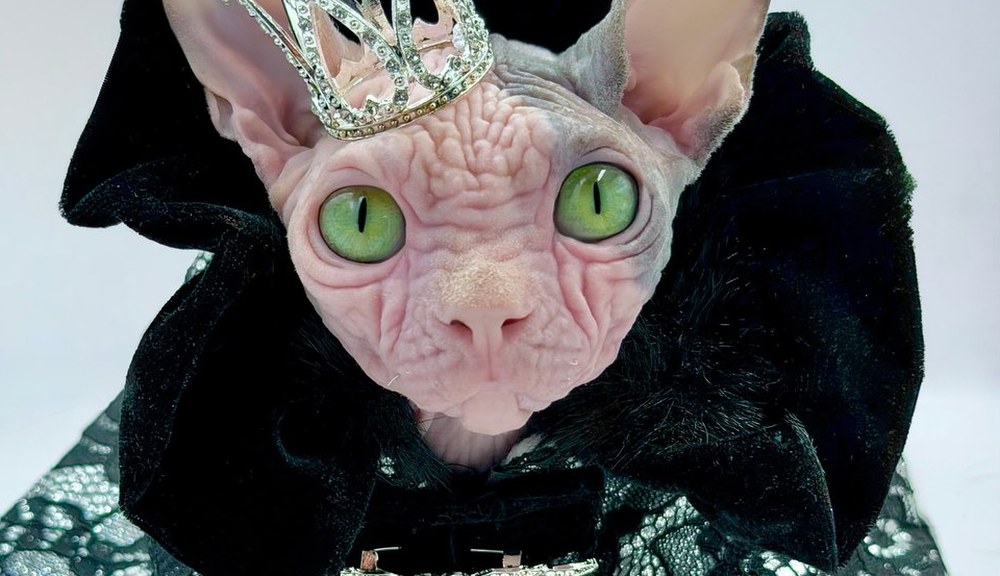
What to Feed a Sphynx Cat: Diet, Portions and Why They Eat So Much
The first thing that surprises new Sphynx owners is the appetite. A hairless cat of ordinary size can out-eat a much larger coated cat and stay lean, and there is a straightforward reason for it.
Why they eat so much
No coat means heat escapes constantly, and replacing that heat costs energy. A Sphynx is effectively running the heater all day, so it needs more fuel than a coated cat of the same weight. Add the breed’s general refusal to sit still and the appetite makes sense.
The practical consequence: do not assume the feeding guide on the packet, which is written for an average cat, is right for yours. Feed to the cat in front of you.
What to feed
The same principles as any cat, applied properly. Cats are obligate carnivores: they need animal protein, they need taurine, and they do poorly on diets built around plant protein. Look for a complete food with named meat as the leading ingredients, and choose one your cat actually eats consistently.
Wet food deserves a place in the routine. Cats have a weak thirst drive and evolved to take most of their water from prey, so wet food supports hydration and urinary health in a way that dry food does not. Many households, including ours, use both — wet meals with dry available.
Raw feeding is a legitimate choice but only when it is done properly, which means a balanced, complete recipe and strict hygiene. It is not something to improvise from the butcher, and it is worth a conversation with your vet rather than a forum.
How much, and how often
Split the daily ration across several meals rather than one large one. Kittens eat little and often — three or four meals a day while growing. Adults do well on two to three meals, with more in cold weather when the heat cost goes up.
Judge portions by body condition rather than by a number: you should be able to feel the ribs easily under a thin layer, with a visible waist from above. Weigh your cat monthly if you can — it is the earliest, cheapest health check there is, and hairless cats make changes in condition very easy to see.
Water
Fresh water in more than one place, in wide bowls, away from the food. Many cats prefer moving water, and a fountain often lifts intake noticeably. Good hydration is one of the easiest wins in cat health.
Things worth avoiding
Constant food changes, which upset sensitive stomachs. Cow’s milk, which most adult cats cannot digest. Onion, garlic, grapes, raisins, chocolate, alcohol and xylitol, all of which are toxic to cats. Dog food, which lacks what a cat needs. And free-feeding an unlimited bowl for a cat that has already put on condition.
When to ask a vet
Sudden appetite changes in either direction, weight loss despite eating well, repeated vomiting or diarrhoea, or a cat that stops eating for more than a day. A hairless cat’s condition is visible earlier than a coated cat’s, so act on what you can see.
What is in our bowls
A Sphynx eats more than a coated cat of the same size because keeping warm without a coat costs calories. Feed for that appetite with food worth the volume, and make water easy to get to.
Grain-free indoor adult dry food
A high-protein everyday base for adults who are indoor-only, as hairless cats have to be.
Quiet stainless water fountain
Moving water gets cats drinking, and stainless is the part that matters — plastic holds a smell.
Elevated tilted bowls with mat
Raised and tilted for the ones who bring their dinner back up when they eat flat out.
These are Amazon affiliate links. If you buy through one it can earn us a small commission at no extra cost to you. We only list things we own or would buy again — the full list is on Our Favourite Things, and how we handle commercial relationships is set out in our affiliate and editorial disclosure.
Meet the cats behind the advice
Everything here comes out of running a household of Sphynx and Donskoy cats — meet the queens, studs and kittens, or send us an enquiry if you have a question we have not answered.
Frequently asked questions
- Why do Sphynx cats eat so much?
- They have no coat, so they lose heat constantly and burn calories replacing it. A healthy adult Sphynx often needs 20–30% more food than a coated cat the same weight.
- What should I feed a Sphynx cat?
- A high-protein, meat-first diet — good quality wet food, raw if you are confident handling it safely, or a premium dry food alongside wet for hydration.
- How many meals a day does a Sphynx need?
- Three or four small meals suit their metabolism better than one large one. Kittens should have food available almost constantly until about six months.
- Can Sphynx cats be overweight?
- Yes, easily, because owners overfeed a breed that always seems hungry. Judge by feeling the ribs and waist, not by whether the bowl is empty.