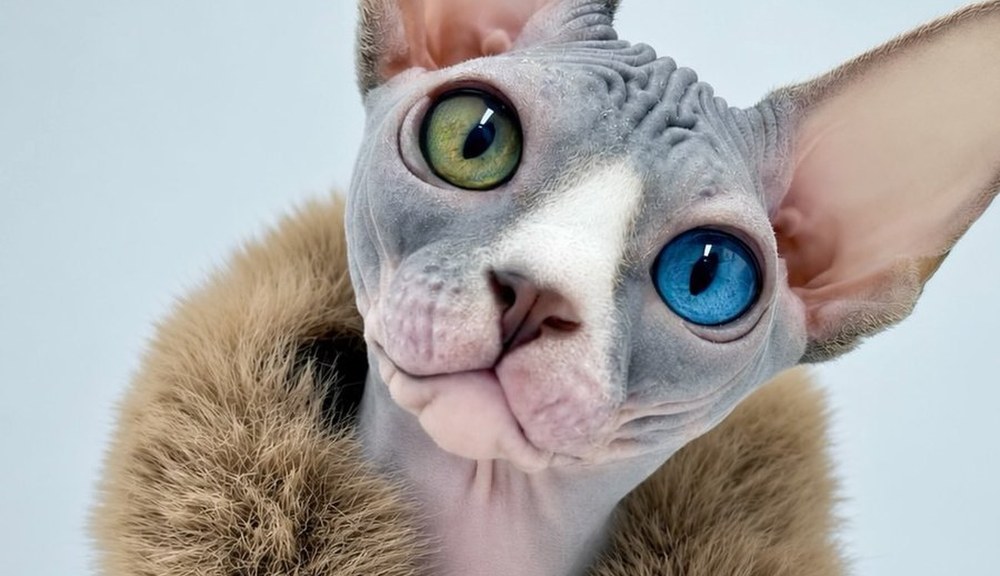
Should You Get a Sphynx Cat? Pros, Cons and the Things Owners Regret
We breed these cats and we would still rather talk somebody out of one than place a kitten badly. So here is the balanced version, including the reasons Sphynx cats end up being rehomed.
The case for
- The company. They greet you at the door, follow you room to room and sleep pressed against you. It is a different relationship from most cats.
- No fur. No tufts on the lounge, no seasonal coat blow, no hair in your coffee.
- They are funny. Genuinely, daily, deliberately funny.
- Good with families and other pets. Confident, sociable, and usually fine with dogs and children who handle them properly.
- Health is visible. With no coat, lumps, scratches and condition changes are obvious early.
- They are extraordinary to hold. Warm, soft, faintly suede-like, and always looking for a lap.
The case against
- Weekly maintenance forever. Ears, nails, folds, teeth, and a bath every one to three weeks.
- They need company. Long days alone are hard on them, which often means keeping two.
- They are loud and persistent. Politely ignoring a Sphynx does not work.
- No privacy. Not your plate, not your keyboard, not the bathroom.
- Warmth costs. A warmer house, heated beds, clothing and more food than a coated cat.
- Skin oil on fabric. More washing than you are used to.
- Health testing is non-negotiable, and buying from someone who skips it is where the real risk lies.
The regrets we actually hear about
Not one of them is “the cat was not lovely enough”. They are, in order: underestimating the grooming and bathing routine; buying one for an allergy and still reacting; leaving a very social cat alone all day; not expecting the neediness and noise; and buying from a seller who did no health testing, then facing problems that testing would have avoided.
Each of those is predictable before purchase, which is the whole point of writing them down.
Three questions that settle it
- Are you happy to bath a cat every couple of weeks for the next fifteen years?
- Will someone be home most days, or will there be a second pet?
- Do you want a cat that is involved in everything you do — or one that leaves you alone?
If the answers are yes, yes and involved, you will love this breed. If any answer is a hesitation, tell us and we will say so honestly. A kitten that goes to the wrong home is a bad outcome for everybody, especially the cat.
The running costs nobody mentions
The honest cons of the breed are laundry, litter dust and the heating bill. If you are weighing this up, price those in — they do not stop, and they are the things owners actually regret.
Enzyme stain and odour eliminator
Five cats and one accident is all it takes to learn the difference between an enzyme cleaner and a scented one.
Approved by Devil
Adjustable-temperature heating pad
Cheaper than heating a whole house to the temperature a bald cat would choose.
Cotton-blend turtleneck
Clothing is a running cost too — assume two per cat and regular washing.
These are Amazon affiliate links. If you buy through one it can earn us a small commission at no extra cost to you. We only list things we own or would buy again — the full list is on Our Favourite Things, and how we handle commercial relationships is set out in our affiliate and editorial disclosure.
Meet the cats behind the advice
Everything here comes out of running a household of Sphynx and Donskoy cats — meet the queens, studs and kittens, or send us an enquiry if you have a question we have not answered.
Frequently asked questions
- What are the downsides of owning a Sphynx cat?
- Weekly grooming, more laundry, higher food costs, sensitivity to cold and sunburn, separation-related behaviour, and the risk of inherited heart disease from careless breeding.
- Why do people rehome Sphynx cats?
- Most often the demands of the breed: constant attention-seeking, the grooming routine, damage caused when left alone, or an allergy that did not improve as hoped.
- Are Sphynx cats good for first-time cat owners?
- They can be, for someone home a lot who enjoys hands-on care. They are a poor first cat for a busy household that is out all day.
- Is a Sphynx worth it?
- For people who want a cat that behaves like a small, warm, opinionated companion, yes. For anyone wanting a low-effort pet, no.